I've been paying for my own Audible membership since 2015, and in that time I've gone from someone who read maybe a dozen physical books a year to someone who tears through 10–20 audiobooks annually. This review isn't sponsored. It's based on years of daily use, a few cancellations, and a lot of commute miles.
Key Takeaways
- I “read” 10–20 books a year through Audible, mostly while commuting. This review is based on daily use since about 2019, not a two-week test.
- Audible is worth it for me on the Premium Plus plan, but only if you average at least one audiobook per month and actually use your credits. If you don’t, you’re paying for nothing.
- Current US pricing as of mid-2026: Audible Plus costs $7.95/month (streaming only), Audible Premium Plus costs $14.95/month (one credit + streaming), and the two credits plan runs $22.95/month. There’s also a Standard plan at $8.99/month. All plans come with a 30-day free trial.
- My 3 biggest Audible pros: a massive library with over 470,000 audiobook titles including exclusive Audible Originals, rock-solid syncing across devices, and a generous return policy.
- My 3 key downsides: it’s pricey compared to Libby or Scribd if you’re a casual listener, the app has clunky UX, and you’re locked into Amazon’s ecosystem with DRM restrictions.
Why I Use Audible
I’m a marketing professional. My days involve a commute each way, a standing desk, and a dog who demands two walks per day. Before Audible, I was reading maybe 10–12 physical book titles a year. That felt respectable until I realized how much dead time I was wasting with mediocre podcasts and radio chatter.
Once I started using Audible during commutes and walks, my reading volume tripled almost immediately. Morning commute is business and marketing - things like “Never Split the Difference” and “Storyworthy.” Evening walks are fiction for decompression. I use the speed control at 1.2–1.7x for non-fiction, which shaves hours off each title without sacrificing comprehension.
This is my honest experience - not a generic Audible review from someone who tested it for a week. I’ve paused and fully canceled before when my schedule got too packed to listen. I pay my own monthly fee.
What Audible Is (In Plain English)
Audible is Amazon’s audiobook and audio entertainment platform. It functions as a monthly subscription service that combines two things: a streaming library you can browse freely, and a credit-based system for purchasing individual audiobooks you want to keep permanently. Think of it less like Netflix and more like a store discount club where your membership gets you tokens to buy books, plus access to a streaming back-catalog while you’re a member.
When you subscribe, you get access to the Audible Plus catalog - thousands of titles you can stream or download as long as your membership is active. On top of that, if you’re on a credit-based plan, you receive monthly tokens to purchase any audiobook from their full catalog of over 470,000 titles. Those purchased books stay in your library forever, even if you cancel.
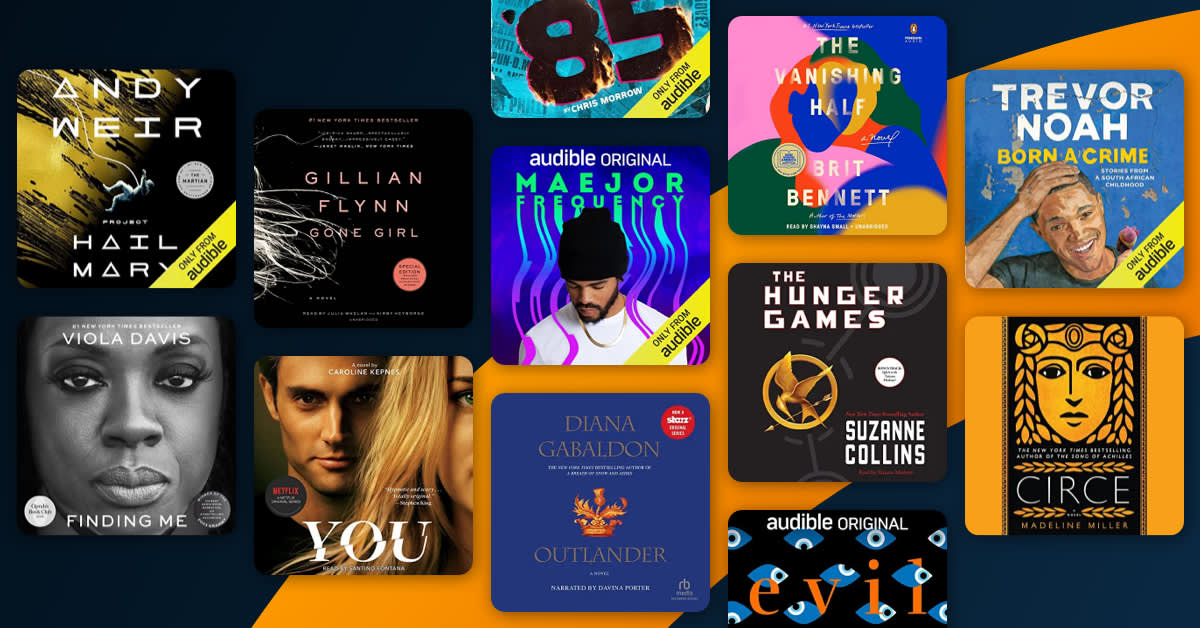
Audible’s library includes audiobooks, podcasts, and Audible Originals - exclusive content like the audio drama adaptation of 1984 featuring Andrew Garfield, or The Prophecy starring Kerry Washington. You can access Audible on iOS, Android, Kindle devices, Alexa speakers, and a desktop web player.
How an Audible Subscription Actually Works Day to Day
After signing up for a plan (I’m on Premium Plus), I receive one monthly credit that drops into my account on my billing cycle date. I browse on desktop or in the app, find something I want, and hit “Buy with 1 Credit.” That title instantly appears in my library, and I own it permanently. One credit equals one audiobook, regardless of length - whether it’s a 3-hour marketing primer or a 40-hour fantasy epic.
Unused credits on Premium Plus roll over for up to 12 months, which lets me bank them for travel months or when a bunch of new releases drop at once. I maintain a wish list inside the app so I always know what to buy when credits accumulate.
If I cancel or pause: I keep every audiobook I bought with credits or cash. But I lose access to the Audible Plus catalog streaming content, and any unused credits vanish. So I always spend all the credits before hitting cancel.
Audible Plans & Pricing in 2026
Audible has settled into two main public plans: Audible Plus (streaming only) and Audible Premium Plus (streaming + credits). There’s also a newer Standard plan at $8.99/month.
Audible Plus: Streaming-Only Option
Audible Plus at $7.95/month gives you unlimited streaming of the Plus catalog - currently over 11,000 titles including Audible Originals, classic literature, and backlist titles. No monthly credit, no permanent ownership. Think of it as books you’re borrowing while you pay rent.
Plus makes sense if you mostly want background listening, aren’t picky about exact titles, and don’t mind losing access when your subscription ends.
Audible Premium Plus: The Plan I Actually Pay For
Audible Premium Plus at $14.95/month includes one audiobook credit per month plus full access to the Plus catalog. If you want more credits, the $22.95/month option gives two. This is my default plan because I typically use my monthly credit on an expensive new release - a $25–$35 business book - and then use Plus streaming for casual listening.
Unused credits stack for up to a year. If you pay annually or grab one of the periodic “12 credits upfront” deals, the effective cost drops to around $9–$11 per title. Compare that to buying two books at list price ($30+ each = $60) versus using two Premium Plus credits ($22.95 total). The savings are obvious.
Hidden & Bundled Options
The Hybrid plan costs $17 every other month and gives you one credit bimonthly - effective cost around $8.50/month. You typically access this by calling customer support or through targeted offers after you cancel. Audible also regularly runs promos: 3 months at a huge discount, extra credits for a one-time fee, or “come back” deals if you’ve been canceled for a few months.
Using the Audible App: How It Actually Feels
On my iPhone in 2026, the Audible app opens to a home screen that’s honestly cluttered - promotions, “Daily Deal” banners, and curated lists pushing Audible Originals I didn’t ask for. Getting to my library or current listen requires a couple of taps past the noise.
That said, the features I use daily work well. Variable playback speed is smooth (I live at 1.5x). The sleep timer is reliable. Syncing between my phone, Echo, and Kindle works without drama most of the time. I can fast forward through intros, rewind 30 seconds, and create clips of passages I want to revisit.
Whispersync for Voice is genuinely useful. On titles like Deep Work or Thinking, Fast and Slow, I can read on my Kindle at my desk, then pick up exactly where I left off in the Audible app during my commute. For someone who annotates on Kindle but listens while driving, this is one of Audible’s strongest selling points.
Pros of Audible (From a Heavy User)
- Massive library: Over 470,000 audiobooks, with new releases landing on day one.
- Seamless multi-device sync: Switch between phone, Echo, and desktop without losing your place.
- Generous return policy: Return audiobooks within one year of purchase, even after finishing them.
- Professional narration quality: Consistently high-quality voice actors, not text-to-speech.
- Whispersync: Read on Kindle, listen on Audible - your position syncs automatically.
- Exclusive Audible Originals: High-quality productions you won’t find on other platforms or at your library.
Cons of Audible (Costs, DRM, and Real Annoyances)
- Cost: If you listen to fewer than about 6 audiobooks a year, the monthly fee is hard to justify. Libby (your library card) is free.
- DRM and ecosystem lock-in: You don’t actually own the audiobooks - you own a license. Your books are locked to Audible’s app and Amazon’s ecosystem.
- Clunky UX: The home screen is designed to sell you things rather than help you listen. CarPlay integration occasionally loses playback position.
- Credits expire on cancel: If you cancel with unused credits, you lose them. Always spend them before stepping away.
Audible vs. Scribd vs. Kindle Unlimited
I’ve used all three in alternating periods. Scribd and Kindle Unlimited are “all-you-can-eat” models with hidden caps and content rotation, while Audible Premium Plus is a “1–2 owned books per month plus streaming” model. They solve different problems.
Scribd runs about $11.99/month and includes ebooks, audiobooks, and magazines. The catalog is broad but rotating - popular new releases sometimes become temporarily unavailable. If you’re flexible on exact titles and don’t care about permanent ownership, Scribd gives solid value.
Kindle Unlimited is ebook-first. Audiobook selection is far more limited and skews heavily toward self-published and genre fiction. Great for voracious genre readers, weak for non-fiction or bestsellers.
My take: I keep coming back to Audible for high-quality narration, day-one new releases, and Whispersync with my Kindle library. For serious listeners, Audible is the clear winner. I treat Scribd and KU as secondary, nice-to-have services.
Is Audible Worth It? My Honest Verdict
For me, Audible Premium Plus is absolutely worth the money. I average 2–3 audiobooks per month between credits and Plus streaming, I focus on $20+ titles where the credit-to-value ratio is highest, and I squeeze listening into otherwise dead time.
Audible is worth it if you listen to at least one audiobook per month, value new releases and professional narration, and want permanent ownership of your purchases. It’s probably not worth it if you only finish 2–3 books a year or mainly read what’s available through your local library.
The 30-day free trial is the safest way to test whether listening fits your brain and schedule. You keep the audiobooks even if you cancel. Set a reminder 3 days before it ends so you’re making an active decision, not getting charged by accident.
How to Get the Most Value from Your Audible Membership
- Use credits on expensive titles only. If a book costs $12 in cash, don’t waste a credit. Save credits for the $25–$40 new releases.
- Keep a running wish list. When a credit drops, you don’t want to waste time browsing - have your next 5–10 titles already queued.
- Use the Clips feature. For non-fiction, save key passages and review them weekly. This has made Audible more actionable than any physical book I’ve read.
- Pause, don’t just accumulate. If you consistently end a billing cycle with unused credits, pause instead of burning money.
Audible Free Trial: How I Recommend Using It
The standard 30-day Audible Premium Plus free trial typically includes one credit (sometimes two for Amazon Prime members) plus full access to Audible Plus. You keep the audiobook(s) even if you cancel.
My advice: pick one high-value, long audiobook you’ve been wanting for ages - something that costs $25+ retail. Then grab 1–2 shorter titles from the Plus catalog to test your listening habits. Set a calendar reminder 3–5 days before the trial ends. Decide whether to keep your membership, downgrade to Audible Plus, or cancel. It’s a genuinely low-risk experiment.
FAQ
Can I Share My Audible Audiobooks With Family?
Amazon Household and Family Library let you share many purchased Audible books with a partner or kids if your Amazon account profiles are linked. Not everything is shareable - publisher restrictions block certain titles. Streaming content from Audible Plus is tied to your individual account and doesn’t share.
What Happens to My Audible Library If I Travel Abroad?
Downloaded books keep playing offline when you travel - your owned library stays intact regardless of where you are. If your billing country changes, the store catalog and some Plus catalog entries may shift due to cross-region licensing. Keep key titles downloaded locally before long trips.
What Should I Do If I Keep Forgetting to Use My Audible Credits?
Set a monthly reminder on your renewal date. Keep a running wish list so you always have a title ready. My rule: if I ever accumulate more than 4–5 unused credits, I either binge-download a series or pause until I catch up. If you cancel with unused credits, you lose them.
Is Audible Good for Learning Skills, or Better for Fiction Only?
My personal split is roughly 60–70% non-fiction (marketing, psychology, business, biographies) and 30–40% fiction. For conceptual and story-driven non-fiction - “Atomic Habits,” “Influence,” “Hooked” - Audible works extremely well. For highly technical material with equations or code, it’s weaker. But for professional development in business, marketing, product, or leadership, it’s one of the most time-efficient tools I’ve found.
Can I Use Audible Without the App, Like on a Desktop?
Audible offers a web-based Cloud Player that I sometimes use at my desk. It syncs position with the mobile app fairly reliably. Limitations exist: fewer shortcuts and navigating a big library feels clunkier than on mobile. But for straightforward listening during focused work, it does the job.