I may earn a small commission if you buy through my links, at no extra cost to you. Disclosure
What is chewing gum made of? Most chewing gum is made of five things: a gum base, sweeteners, softeners, flavors and sometimes colors or a coating. The sweeteners are the biggest part by weight. The gum base is the chewy part, and in most modern chewing gum it's made from synthetic polymers, the same family of materials used in plastics and rubber.
I started reading gum labels a couple of years ago and kept seeing the same vague words: "gum base". That's what made me switch to mastic gum. Here is what's actually in a stick of gum, what gum base is, whether gum is plastic, what the microplastics research found, and which plastic-free gum brands exist.
Key takeaways
- A stick of gum is mostly sweeteners. The gum base is roughly a quarter to a third of it.
- Most gum brands use a synthetic gum base made from polymers like polyvinyl acetate, polyethylene and butyl rubber.
- Labels just say "gum base", so you usually can't tell what's in it.
- A 2025 UCLA pilot study found both natural and synthetic gums released microplastic particles into saliva.
- Plastic-free options include chicle gums like Simply Gum and Glee Gum, and single-ingredient mastic gum.
What is chewing gum made of?
Recipes differ by brand, but a typical sugar-free gum looks roughly like this by weight:
- Gum base (about 25-35%): the insoluble, chewy part that stays in your mouth.
- Sweeteners (about 40-50% in sugar-free gum): sugar alcohols like sorbitol, xylitol and maltitol, often with high-intensity sweeteners. Regular gum uses sugar and corn syrup instead.
- Softeners (a few percent): glycerin or vegetable oil to keep the gum soft and moist.
- Flavors (about 1.5-3%): natural or artificial flavors like mint, fruit or cinnamon.
- Colors, coatings and preservatives: a hard candy shell on pellet gum and gum balls, plus antioxidants like BHT to keep the base fresh.
So chewing gum isn't mostly plastic by weight. The sweeteners and flavor dissolve while you keep chewing. What's left in your mouth after a few minutes is mostly the gum base, and that's the part people mean when they ask if gum is plastic.
What is gum base?
Gum base is a blend of three types of ingredients: an elastomer for stretch, a resin for chewiness, and wax or softeners for texture. Every company keeps its exact formula secret, and the ingredients list on the pack just says "gum base".
In the US, the FDA regulates gum base under 21 CFR 172.615, which lists the substances manufacturers are allowed to use. The synthetic ones include:
- Polyvinyl acetate
- Polyethylene
- Polyisobutylene
- Butyl rubber (isobutylene-isoprene copolymer)
- Butadiene-styrene rubber
- Paraffin and petroleum wax
The same rule also allows natural bases like chicle (the sap of the sapodilla tree), jelutong and natural rubber, plus other plant latices. It also allows antioxidants like BHT, BHA and propyl gallate in the base, up to 0.1%. Gum makers can choose any of these, and they don't have to tell you which they use.
So what's the difference between synthetic and natural gums? Synthetic bases replaced chicle mainly because they were cheaper and easier to supply in a consistent quality. A natural, plant based gum base comes from plants, usually tree resins and saps like chicle. Natural gums usually cost more, and many people find them firmer to chew. Both synthetic and natural gums are legal food ingredients in the US.
Is chewing gum plastic?
The base of most chewing gum is, yes. That's the part of chewing gum you keep chewing after the flavor is gone. Polyvinyl acetate is the same polymer sold as white glue for wood. Polyethylene is the most common plastic in the world, used in plastic bags and bottles. Butyl rubber is used in car tires. All of them are approved as food-safe in gum base, and you're not meant to swallow the gum.
To be precise: the FDA list says what's allowed, not what every brand uses. Since most brands don't disclose their base, you usually can't know which synthetic polymers are in your gum. Unless a brand names a natural base, it's safe to assume it's synthetic.
Microplastics in chewing gum
In 2025, researchers at UCLA presented a pilot study at the American Chemical Society spring meeting. They tested five synthetic and five natural gum brands. One person chewed each piece, and the team collected saliva samples and counted the particles.
On average, each gram of chewing gum released about 100 microplastic particles into saliva, and some pieces released as many as 600 per gram. A large piece of gum could release up to about 3,000 particles. The researchers estimated that someone chewing 160 to 180 sticks a year could swallow around 30,000 particles from gum alone. Most particles came out in the first two minutes, and 94% were out by eight minutes. The most common polymers were polyolefins, followed by polyethylene terephthalates, polyacrylamides and polystyrenes.
Two details matter. First, natural and synthetic gums released similar amounts of particles, so a plant based gum isn't automatically better here. The study only counted particles 20 micrometers or larger, so smaller ones were missed. Second, it was a small pilot study that hadn't been peer-reviewed yet, and the lead researcher said scientists don't know yet whether microplastics are harmful to the body. The researchers' own tip: chew one piece longer instead of popping a new one, since most particles come out early.
Sweeteners in chewing gum
Sweeteners are the largest part of most chewing gum. Regular gum uses sugar and corn syrup, which feed the bacteria that cause tooth decay. Sugar free gum swaps them for sugar alcohols like sorbitol, xylitol and maltitol, often topped up with high-intensity sweeteners like aspartame, sucralose or acesulfame K.
Xylitol gets the most attention for teeth. A 2014 review found that xylitol lowers levels of Streptococcus mutans, the main cavity-causing bacteria, in plaque and saliva, though the authors said more trials are needed. Aspartame was classified by the WHO's cancer agency as "possibly carcinogenic" in 2023, while the WHO's food additives committee kept the acceptable daily intake unchanged, at a level far above what you'd get from gum.
One more note: sugar alcohols can cause gas or a loose stomach if you chew a lot of gum in a day.
Flavors, colors and softeners
Flavors are a small part of a stick but decide whether you buy it again. They can be natural or artificial oils and extracts, and many brands use encapsulated flavors, which are coated so they release slowly and the taste lasts longer. Softeners like glycerin and vegetable oil keep the gum from going hard or brittle in storage. Coated gums get a crunchy shell, often made of sugar alcohols and a glazing agent, and colorants make pellet gum and gum balls look like candy. Titanium dioxide, a white colorant once common in gum, is no longer allowed as a food additive in the EU.
How chewing gum is made
At a chewing gum factory, the gum base is melted and mixed with sweeteners, softeners and flavors into a warm, sticky dough. The dough is rolled into thin sheets, cut into sticks or pellets, and cooled. Pellet gum then gets a hard sugar or sugar-alcohol shell. Mastic gum skips all of this: the resin is harvested from the tree, dried, cleaned and sorted by hand.
Is chewing gum bad for your health?
For most people, chewing gum in normal amounts is fine. Chewing increases saliva flow, which helps wash away food and acids after a meal, and the American Dental Association gives its seal to some sugar-free gum brands for that reason. The gum base itself isn't digested, and your body doesn't absorb it.
The health questions people raise are about what else is in the gum:
- Microplastics: chewing gum releases particles into saliva, but nobody knows yet what they do in the body.
- Sweeteners: aspartame and acesulfame K are approved by food regulators, but some people prefer to avoid them.
- Preservatives: BHT is allowed in gum base, and the FDA said in 2026 it would reassess it as a food ingredient.
- Sugar alcohols: large amounts can upset your stomach.
If those concerns matter to you, the simplest fix is a gum with a short ingredients list. That's how I ended up with mastic gum, which has one ingredient.
A short history of chewing gum
People chewed natural gum long before plastic existed. Thousands of years ago, young people in Scandinavia chewed birch-bark tar. The ancient Greeks chewed mastic, the resin of the mastic tree from the island of Chios, partly for breath freshening. Native Americans chewed spruce resin, and the Maya and Aztecs chewed chicle. The first commercial chewing gum in the US was spruce gum, sold by John B. Curtis in 1848.
Modern chewing gum started with chicle. Thomas Adams got a supply of chicle through the exiled Mexican president Antonio Lopez de Santa Anna, first tried to turn it into rubber, then sold it as chewing gum in New York in the 1870s, and William Wrigley Jr. turned chicle gum into a household name. Overharvesting damaged the sapodilla forests in Mexico in the 1930s, and chicle got expensive. By the 1960s, most US gum makers had switched to cheaper synthetic rubber bases, and that's what most gum is made of today.
Chewing gum and plastic pollution
Because the base is plastic and rubber, gum doesn't dissolve or break down like food. It sticks to pavement and stays there. In England, about 77% of streets are stained with gum, and the UK government estimates councils spend around £7 million a year cleaning it up. In Rome, removing gum from the streets costs about one euro per piece. Gum is a small but very visible part of plastic pollution.
How to read a gum label
- "Gum base" with no details: assume a synthetic base.
- "Chicle" or "natural chicle base": a natural tree-sap base.
- Sugar alcohols near the top: a sugar free gum. Check for aspartame or acesulfame K if you avoid them.
- One ingredient, like mastic resin: no gum base, sweeteners or additives at all.
Plastic-free chewing gum brands and alternatives
If you want to avoid a synthetic gum base, look for gum brands that name their base. Most brands at the supermarket don't, so plastic-free alternatives are usually found online or in health food stores. Here are the main options and what they say about themselves.
Simply Gum: a New York brand that uses a natural chicle base made of chicle tree sap, candelilla wax and citric acid, sweetened with xylitol. Its slogan is "made of tree sap, not plastic", and Simply Gum lists every ingredient on the pack instead of hiding them behind "gum base". A 6-pack of 15 pieces was $18.99 on its site when I checked. Simply Gum is probably the easiest plastic-free chewing gum to find in the US.
Glee Gum: it used a base that mixed plastic and chicle until it reformulated. Since around 2015-2017, Glee Gum's base is made mostly of chicle with three natural ingredients: calcium carbonate, candelilla wax and dried citrus peel. Glee Gum comes in sugar and sugar-free versions.
True Gum: a Danish brand from Copenhagen, where I live. True Gum says it makes a plant-based gum from the sap of gum trees instead of plastic, in its own factory in Copenhagen. It's sold as plastic-free, vegan, sugar-free and biodegradable, with plant-based flavorings only. Its site doesn't publish a full ingredients list, so check the pack.
Chicza: an organic chicle gum from Mexico that says it's 100% natural and biodegradable.
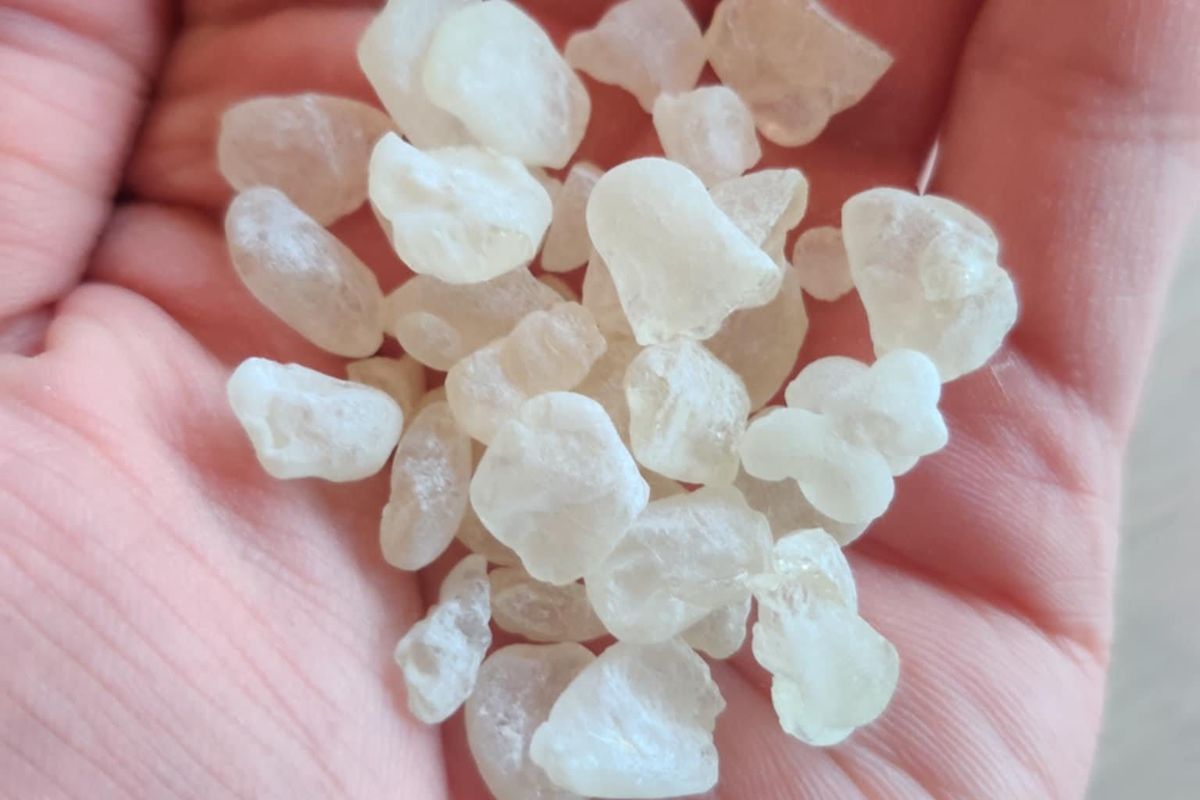
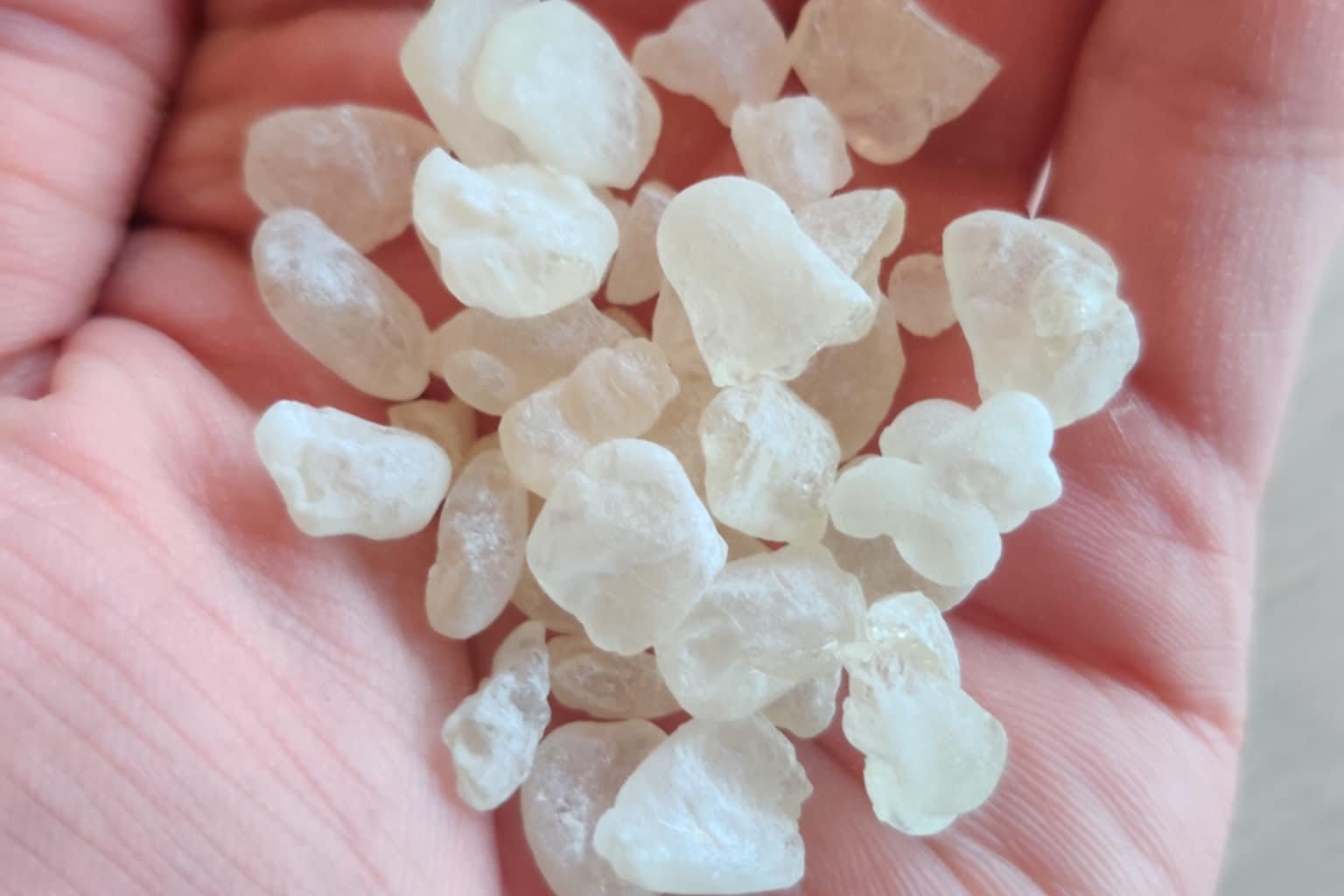
Mastic gum: a single ingredient, the natural resin of the mastic tree from Chios. There's no gum base, sugar or sweeteners. It tastes earthy, starts hard and takes a few days to get used to. This is what I chew.
If you mainly chew gum for fresh breath, there are also non-gum alternatives. In India, people chew fennel seeds or cardamom after meals for exactly that reason.
Watch out for gum marketed as natural that still lists "gum base". PUR Gum, for example, is aspartame-free but doesn't disclose what its base is made of. And remember the UCLA result: a natural gum isn't automatically free of microplastics.
What I chew instead of regular gum
About two years ago I swapped regular chewing gum for mastic gum. It's a single ingredient, a tree resin, so there's no synthetic base in the recipe. It's also sugar-free, and lab research plus a small toothpaste trial suggest mastic helps against the bacteria behind bad breath. Mastic wasn't tested in the UCLA study, so I won't claim it's microplastic-free.
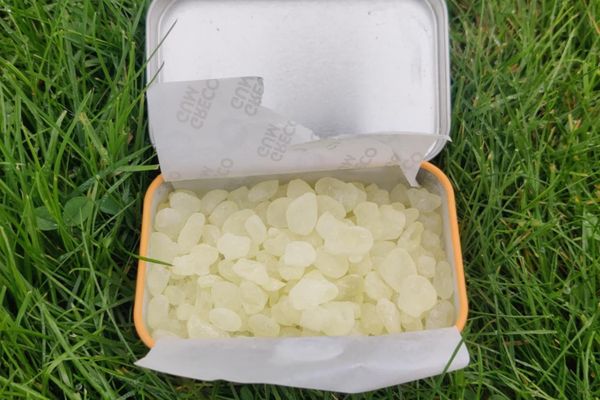
The brand I use is Greco Gum, which sells raw mastic from Chios in metal tins. You can read my full Greco Gum review, or my older mastic gum review.
Frequently asked questions
Does all gum have plastic in it?
No. Gum with a synthetic base does, and that's most gum brands. Gum with a natural chicle base, like Simply Gum or Glee Gum, or single-ingredient mastic gum doesn't use plastic in the recipe.
Is chewing gum biodegradable?
Most isn't, because the synthetic base is plastic and rubber. Some natural chicle gums, like Chicza, say they're biodegradable.
What is the gum base in Trident or Extra?
The brands don't publish their gum base recipes. The ingredient list just says "gum base", which in the US can include any of the substances allowed under the FDA rule above.
What is the healthiest gum to chew?
A sugar-free gum is better for your teeth than a sugared one. If you also want to avoid a synthetic base, pick a gum that names a natural base, like chicle, or a single-ingredient gum like mastic.
Is mastic gum plastic-free?
Mastic gum is pure tree resin with no added gum base, so there's no plastic in the recipe. Its packaging and processing haven't been tested for microplastics, so nobody can promise zero particles. For more, see mastic gum side effects.
Sources
- eCFR - 21 CFR 172.615 Chewing gum base
- ScienceDaily - Chewing gum can shed microplastics into saliva, pilot study finds (2025)
- Wikipedia - Chewing gum (composition and history)
- Smithsonian Magazine - A brief history of chewing gum
- GOV.UK - Funding for councils to clean up chewing gum
- Nayak et al. (2014) - The effect of xylitol on dental caries and oral flora
- WHO - Aspartame hazard and risk assessment results released (2023)
- Food Dive - FDA to reassess BHA and BHT (2026)
- American Dental Association - Trident Sugarfree gum, ADA Seal of Acceptance
- Simply Gum - ingredients
- My Plastic-Free Life - Glee chewing gum goes plastic free (2017)
- True Gum - About True Gum
- European Commission - EU to ban titanium dioxide (E171) as a food additive (2021)
- Chicza
- Greco Gum