
Key Takeaways
- Mastic gum is generally well tolerated in short-term clinical studies (up to 12 weeks and even 18 months at higher doses), with mild digestive upset and jaw soreness from the hard texture being the main side effects reported.
- Mastic gum supplements are not FDA-regulated for safety or effectiveness, so product quality and sourcing from a reputable brand matter significantly for your experience.
- Serious side effects are rare, but allergic reactions are possible in people sensitive to Pistacia species or related plants. Anyone with severe symptoms should stop use and seek medical care immediately.
- Pregnant or breastfeeding people, children, those experiencing inflammatory bowel disease flares, and people on medications should be cautious, because long-term safety and drug interactions are not well studied.
- From my own experience, I tolerate mastic gum well, but I advise every reader to treat it like any supplement: start low, monitor symptoms, and talk with a clinician if you have existing health conditions.
Introduction: My experience and what this guide will (and will not) cover
I have been chewing mastic gum and writing about it on this site for a while now. My earlier articles covered its health benefits, including how mastic gum works against H. pylori and bloating. This article is different. Here, I am focusing specifically on side effects and safety, because that is the question I get asked most often and the one that deserves an honest, complete answer.
I will not repeat benefit-focused content. Instead, I will dig into what can go wrong or feel uncomfortable when you chew mastic gum or take mastic supplements. Most of the data comes from clinical studies published between 1984 and 2024, plus my own practical experience and reader reports. The goal is balanced, non-alarmist guidance.
Mastic gum is the dried natural resin of the mastic tree, Pistacia lentiscus, harvested primarily on the Greek island of Chios. It is used as chewing gum, in capsules, or as a powder. Its unique side effect profile comes from three things: its hard texture, its bioactive resin components, and its direct contact with the gut. This article answers whether mastic is generally safe, what side effects to actually expect, who should be careful, and how to use it more safely.

Is mastic gum generally safe? What the research actually shows
For most healthy adults, mastic gum appears low risk over short to medium-term use. No significant or dangerous side effects have been reported from mastic gum across the body of published research. Here is what the evidence says:
- The US FDA treats mastic gum as a dietary supplement, not a drug. It is classified as generally recognized as safe (GRAS) as a food ingredient, which supports basic safety but does not prove medical effectiveness. The FDA has not tested mastic gum for safety or effectiveness, which is standard for supplements. Safety evidence for mastic gum is limited compared to conventional medicines.
- Clinical studies using oral doses of 1-2 g per day (sometimes up to 5 g) for 2 to 12 weeks in conditions like functional dyspepsia, Crohn's disease, and Helicobacter pylori infection reported very few adverse events. Across more than 500 subjects in multiple trials, only one experienced mild gastrointestinal discomfort.
- A 2022 study showed mastic gum reduced dyspepsia symptoms, and it has been approved for mild dyspeptic disorders. Mastic gum is generally well tolerated with low toxicity risk.
- Common side effects, when they occur, include nausea, diarrhea, constipation, gas, and occasional headache. Adverse effects may also include headaches and dizziness, but these are uncommon and typically transient.
- There is almost no published data on continuous use beyond 18 months, very limited data in children, and essentially no controlled data in pregnant or breastfeeding women. Long-term use of mastic gum has not been studied extensively, so these remain open questions.
Jaw soreness and chewing-related discomfort
Chewing mastic gum is mechanically different from chewing normal soft chewing gum. The mastic resin starts as a hard, brittle piece that the resin softens only gradually as you chew. This means your chewing muscles work harder and fatigue more quickly than with commercial gum.
Common, non-serious effects include:
- Jaw fatigue after a few minutes of chewing, especially in the first week
- Dull aching or tightness in the masseter muscles later in the day
- Mild tenderness when chewing again the next day, similar to muscle soreness after exercise
- Mastic gum may cause mouth or throat irritation when chewed in concentrated or large amounts
I personally increased my chewing duration over several weeks to avoid overuse. New users should chew small tears and limit early sessions to about 5-10 minutes, gradually building up as the jaw adapts.
Warning signs that soreness is not normal include sharp joint pain, clicking, locking, pain directly in front of the ear, or headaches that worsen with chewing. If you notice these, stop chewing mastic gum and consult a dentist or TMJ specialist. People with existing temporomandibular joint issues, bruxism, or a history of jaw injury should be more conservative or avoid chewing entirely to prevent flare-ups.

Digestive side effects: what the gut studies and real users report
Most people tolerate oral mastic gum well, but the digestive tract is where mild side effects show up most often.
- Common, usually mild GI side effects seen in studies and reader reports: upset stomach, nausea, bloating, constipation, looser stools, and unusual gas patterns during the first days of use. Mastic gum can cause mild gastrointestinal issues such as diarrhea and nausea.
- Many clinical trials in dyspepsia and pylori infection reported fewer digestive symptoms in the mastic gum group overall, but a small minority of participants did stop or complain due to stomach discomfort. Realistic expectations matter.
- Mastic gum may slightly change gut motility or local inflammation in some people, which could explain why certain users feel temporarily worse before they feel better, while others notice no change at all.
Practical steps to reduce digestive side effects:
- Start with a low oral dose (250-500 mg per day)
- Avoid taking it on a completely empty stomach if it aggravates nausea
- Avoid combining it initially with other supplements to isolate what is causing any symptoms
Red flags that should prompt stopping mastic gum and contacting a clinician include persistent abdominal pain, vomiting, blood in stool, unexplained weight loss, or worsening symptoms in diagnosed inflammatory bowel disease.
Allergies and sensitivity: who is more likely to react
Allergic reactions to chewing mastic gum are rare but possible. Mastic gum may cause allergic reactions in sensitive individuals, and in uncommon cases, mastic may cause severe allergic reactions.
- Gum mastic comes from Pistacia lentiscus, a relative of pistachio and other Pistacia species in the Anacardiaceae family. Individuals with specific plant allergies should be cautious with mastic gum, especially those allergic to pistachio, cashew, or mango.
- Case reports mainly involve allergic contact dermatitis from medical adhesives containing mastic, not commonly from the oral resin itself. In one study, 72% of Mastisol-allergic patients tested positive to gum mastic, while only 0.4% of the general human population sample reacted. Allergic skin reactions have been reported with topical mastic use. Contact dermatitis from these adhesives is the most documented form of sensitivity.
- Potential allergy or sensitivity symptoms to take seriously: itching in the mouth, lip or tongue swelling, hives, rash, wheezing, chest tightness, or trouble breathing after chewing or swallowing a mastic supplement. Serious allergic reactions to mastic gum are rare but possible.
- Any signs of systemic allergy require immediate discontinuation and same-day medical care. People with a history of anaphylaxis to related plants should avoid mastic gum unless their allergist specifically clears it.
- Non-allergic sensitivity, such as headache or feeling "off" after each dose, also happens. If this pattern is clear and reproducible, the safest option is to stop rather than push through.
Mastic gum and your gut conditions: IBS, IBD, and reflux
Many readers want to chew mastic gum for digestive health conditions including reflux, IBS, or inflammatory bowel disease. This section focuses on side effect risks and cautions, not benefits.
- For people with IBS-type conditions, mastic gum may be neutral, mildly helpful, or occasionally irritating. Unpredictable responses make a slow, low-dose trial with symptom tracking essential.
- Small studies in Crohn's disease suggest Chios mastic may calm some inflammatory substances and markers, but IBD is complex. Starting mastic during an active flare may aggravate symptoms. Mastic gum should not be used as a substitute for medical treatment for established conditions, and it should only be added under medical supervision.
- In reflux and dyspepsia, mastic gum has been tested in a randomized pilot study at doses like 350 mg three times daily, with overall improvement in symptoms but isolated cases of nausea. People with a very sensitive stomach should be prepared to stop quickly if burning or pain worsens.
- Anyone with diagnosed inflammatory bowel disease, a history of GI bleeding, duodenal ulcers, stomach ulcers, or recent unexplained weight loss should ask their gastroenterologist before experimenting. Self-treating based on social media posts is not a substitute for professional guidance.
- If mastic gum clearly worsens bowel habits, abdominal cramping, or reflux over a 1-2 week trial, the rational response is to discontinue rather than chasing a potential long-term benefit at the cost of short-term harm.
Oral health, dental work, and chewing gum precautions
Chewing mastic gum may support oral health and freshen bad breath by reducing bacterial growth. Mastic gum can inhibit plaque accumulation on teeth and can increase salivary flow rate in the mouth, both of which help in preventing cavities. Research shows these oral health markers improve without notable toxicity. But the focus here is on risks around teeth and dental problems.
- The hardness and stickiness of mastic create mechanical risks, especially for fillings, crowns, and other restorations. Chewing very hard pieces can stress or crack fragile teeth, and its adhesive nature might tug on loose fillings or crowns, potentially dislodging them.
- Readers with extensive dental work, recent crowns, or sensitive teeth should talk to their dentist before they start chewing mastic gum regularly. Test one small, softened piece on the side of the mouth away from major restorations.
- Practical strategies: pick smaller, more translucent tears, warm them between cheek and gum before chewing, avoid chewing directly on vulnerable teeth, and stop immediately if you feel pulling or tooth pain.
- People with active mouth ulcers, recent oral surgery, or braces may find mastic irritating or too sticky. Swallowing capsules or using a non-chew form may be a safer alternative if their clinician approves.
Medication interactions, cholesterol, and unknown long-term effects
There are no well-documented, high-certainty drug interactions for mastic gum. But the absence of data is not proof of safety, especially for long-term daily use and people on multiple medications.
- Studies suggest mastic gum may modestly influence cholesterol levels and possibly some serum biochemical parameters including liver enzymes. This raises the theoretical possibility of interacting with statins or other drugs processed by the same pathways. Animal studies show mastic can induce CYP1A1 and CYP1A2 enzymes, which are relevant for many pharmaceuticals. Research on mastic drug interactions is incomplete and limited.
- No major, consistent drug interactions have been reported in existing clinical studies, but those trials were small, often short (8-12 weeks), and rarely involved patients on complex medication regimens. Mastic gum's interactions with proton pump inhibitors are not fully understood.
- Mastic gum may interact with medications for diabetes or high blood pressure. Mastic may interact with prescription and over-the-counter medicines. Mastic gum may also affect digestion and absorption of other supplements. Consult a healthcare provider before combining mastic with other medications. If you proceed, space doses by a couple of hours.
- Long-term daily use data (several years of chewing or taking capsules for chronic cholesterol management) is virtually absent. Long-term safety of mastic gum is not well established, so no one can say with confidence what multi-year exposure does to the liver, kidneys, or hormones. Some human trials tracked total cholesterol, cholesterol and glucose levels, and glucose levels over 18 months without finding liver damage or serious harm, but more research and further studies are needed.
- I recommend periodic breaks from mastic gum, especially when used as a supplement rather than occasional chewing gum, and suggest basic lab monitoring (liver enzymes, lipids) if you are using higher oral doses for months under clinical supervision.
Who should be cautious or avoid mastic gum altogether
Some groups face higher risk or too many unknowns to use mastic gum casually:
- Pregnant and breastfeeding people: Pregnant or breastfeeding women should avoid mastic gum due to insufficient safety data. While Chios mastic gum has a long history of traditional use in the Mediterranean, modern controlled safety data in pregnancy and lactation are essentially lacking. The FDA regulatory filing explicitly recommends non-use during pregnancy.
- Children and teenagers: Children's safety regarding mastic gum has not been established. Very few pediatric trials exist, so routine supplement-level doses are not well studied. Occasional chewing for oral health should be cleared with a pediatric dentist or doctor first.
- People with known plant allergies: Avoid mastic gum if you have a history of serious allergy to Pistacia species, pistachios, cashews, mango, or other Anacardiaceae plants. Test under medical guidance if you want to try it.
- Active IBD flares, recent GI surgery, or peptic ulcers: Any new supplement can destabilize a fragile gut. Starting mastic gum without a gastroenterologist's input is risky when disease is unstable. Mastic gum should not replace proven treatment for these health conditions.
- Complex medication regimens or chronic liver/kidney disease: Consult a physician or pharmacist before using mastic gum regularly, given the unknowns around long-term metabolism and potential risks of drug interactions.
Quality, regulation, and how to use mastic gum more safely
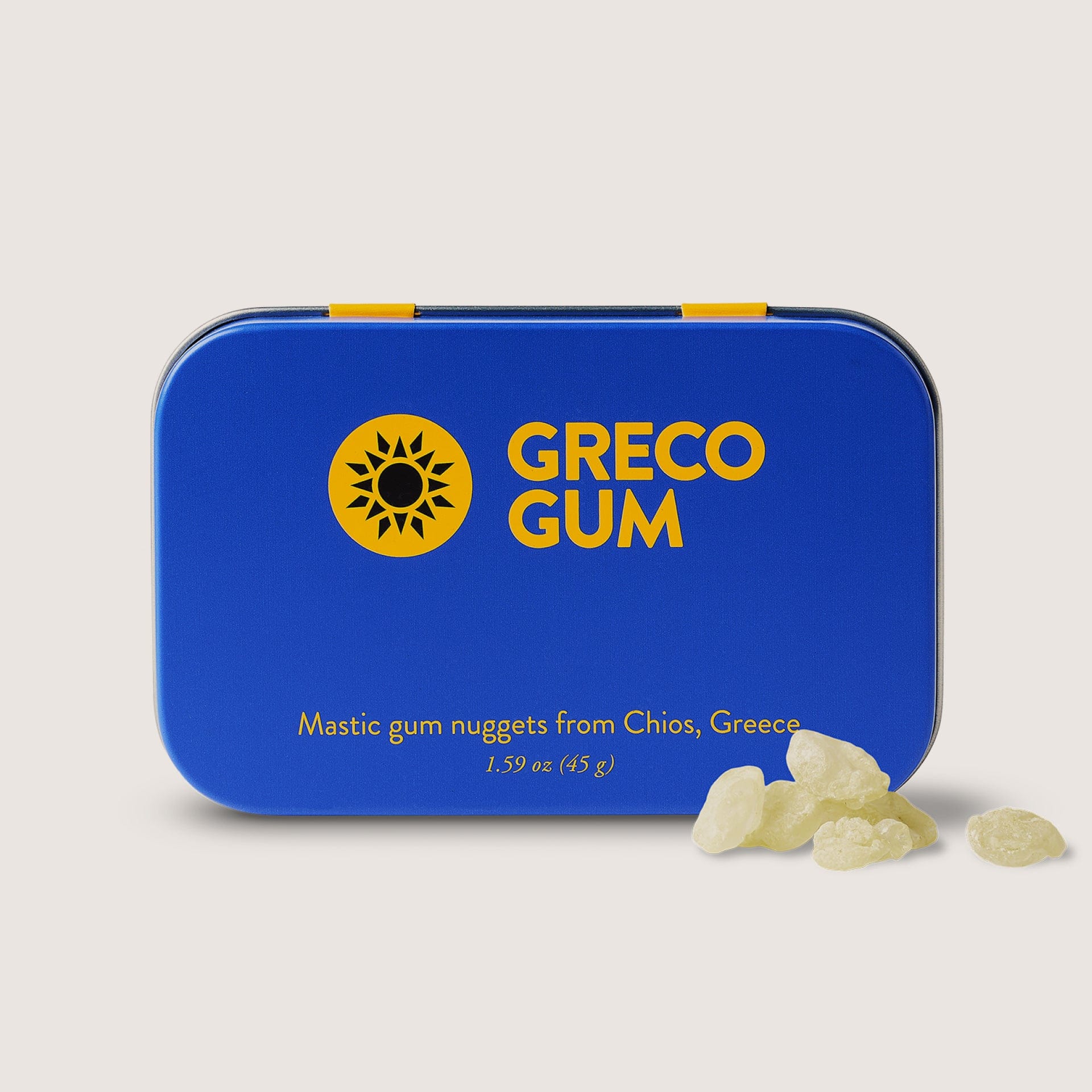
Greco Gum
The brand I actually buy from - 100% pure Chios mastic resin, third-party lab tested. Save 25% on the Starter Pack, or grab 4+ tins for 10% off.
The safety of mastic gum depends not only on the resin itself but also on how it is sourced, processed, and dosed. Quality of mastic gum supplements can vary, affecting safety and efficacy.
- In the United States and many other countries, mastic gum supplements are not FDA-regulated to the same standard as prescription drugs. Potency, purity, and contaminant testing vary widely between brands.
- Choose products that clearly state origin (Chios mastic gum is the most studied), list exact mastic content per capsule or per piece, and provide third-party lab testing or certificates of analysis. Buy from a reputable source.
- Avoid products with unnecessary fillers, artificial sweeteners that upset your stomach, or proprietary blends that hide actual mastic dosage. These can complicate side effect interpretation and make it harder to compare your experience to published research.
- My safety-first trial approach: start with the lowest effective dose, keep other supplements stable, monitor a basic symptom log (jaw comfort, stool changes, reflux, skin reactions) over 2-4 weeks, and stop if side effects become persistent or worrying. Do not take mastic gum for long periods without periodic breaks.
- Even though mastic gum is a natural resin with documented anti inflammatory properties, essential oil components, and antibacterial activity, treat it with the same respect as a mild medication. Follow the label, do not exceed recommended doses without clinical guidance, and take planned breaks instead of staying on it indefinitely. Studies suggest its anti inflammatory and other effects on human health are real, but so is the need for caution.
Research into mastic gum's effects on areas like prostate cancer and tumor growth, androgen receptor pathways, and high cholesterol levels is ongoing but preliminary. A pilot study here or there does not replace the kind of large, placebo controlled trials needed to confirm long-term safety. Until more research catches up, responsible use is your best protection.

FAQ: Mastic gum side effects and practical safety questions
Can mastic gum cause bad breath or help it?
Chewing mastic gum typically improves bad breath by increasing saliva and reducing some oral bacteria responsible for bacterial growth that causes odor. However, the strong resin flavor is not for everyone and some people perceive it as unusual rather than fresh. If you notice worse breath or a coated tongue after starting mastic gum, it may be due to altered oral flora or coexisting issues like sinus problems. See a dentist or doctor rather than assuming mastic is the sole cause.
Is chewing mastic gum every day safe for oral health and the jaw?
Daily chewing appears safe for many adults with healthy teeth and joints, especially when limited to moderate sessions. But heavy daily use can cause chronic jaw fatigue or aggravate underlying TMJ problems. Keep daily chewing to a reasonable duration, alternate chewing sides, and schedule jaw rest days if soreness is constant. Persistent pain is a sign to stop and be evaluated. Mastic gum can also support oral health by reducing plaque, but dental risks from the hard texture are real.
Does mastic gum affect cholesterol levels enough to cause side effects?
Some small studies suggest crude Chios mastic may slightly lower total cholesterol over about 8 weeks, but effects on LDL, HDL, and triglycerides are inconsistent and generally modest. These changes are unlikely to cause direct side effects for most people. However, if you are already taking medication for high cholesterol levels, do not adjust your prescriptions based on mastic use. Let your doctor know about the supplement so they can monitor your cholesterol appropriately.
Can I take mastic gum with coffee, alcohol, or meals?
There are no well-documented interactions between mastic gum and common foods or drinks like coffee. Many people chew or swallow mastic with or after meals without incident, and taking it with food can reduce nausea in sensitive individuals. Advise caution with drinking alcohol, since both alcohol and mastic gum can irritate a sensitive stomach. Separate heavy drinking from supplement use and stop mastic if nausea or pain develops.
What should I do if I accidentally take a very high dose of mastic gum?
An accidental extra capsule or an unusually long chewing session is unlikely to be dangerous for most healthy volunteers and adults, but may increase the chance of short-term side effects like nausea, diarrhea, or jaw soreness. Do not take any more mastic that day, drink water, and monitor for unusual symptoms. Contact a medical professional or poison control center if you experience severe abdominal pain, breathing difficulty, or signs of an allergic reaction. The known pylori bacteria-fighting and other properties of mastic do not change the fact that dose matters.
Sources
- PMC Article on Mastic Gum Clinical Trials
- FDA GRAS Status for Mastic Gum
- Journal of Dermatology on Mastisol Allergy
- PLOS One Study on Mastic Gum and Liver Enzymes
- PubMed Study on Long-Term Effects of Mastic Gum
- ClinicalTrials.gov on Mastic Gum Research
- WebMD Mastic Gum Overview and Side Effects
- Medical News Today Review on Mastic Gum Safety